
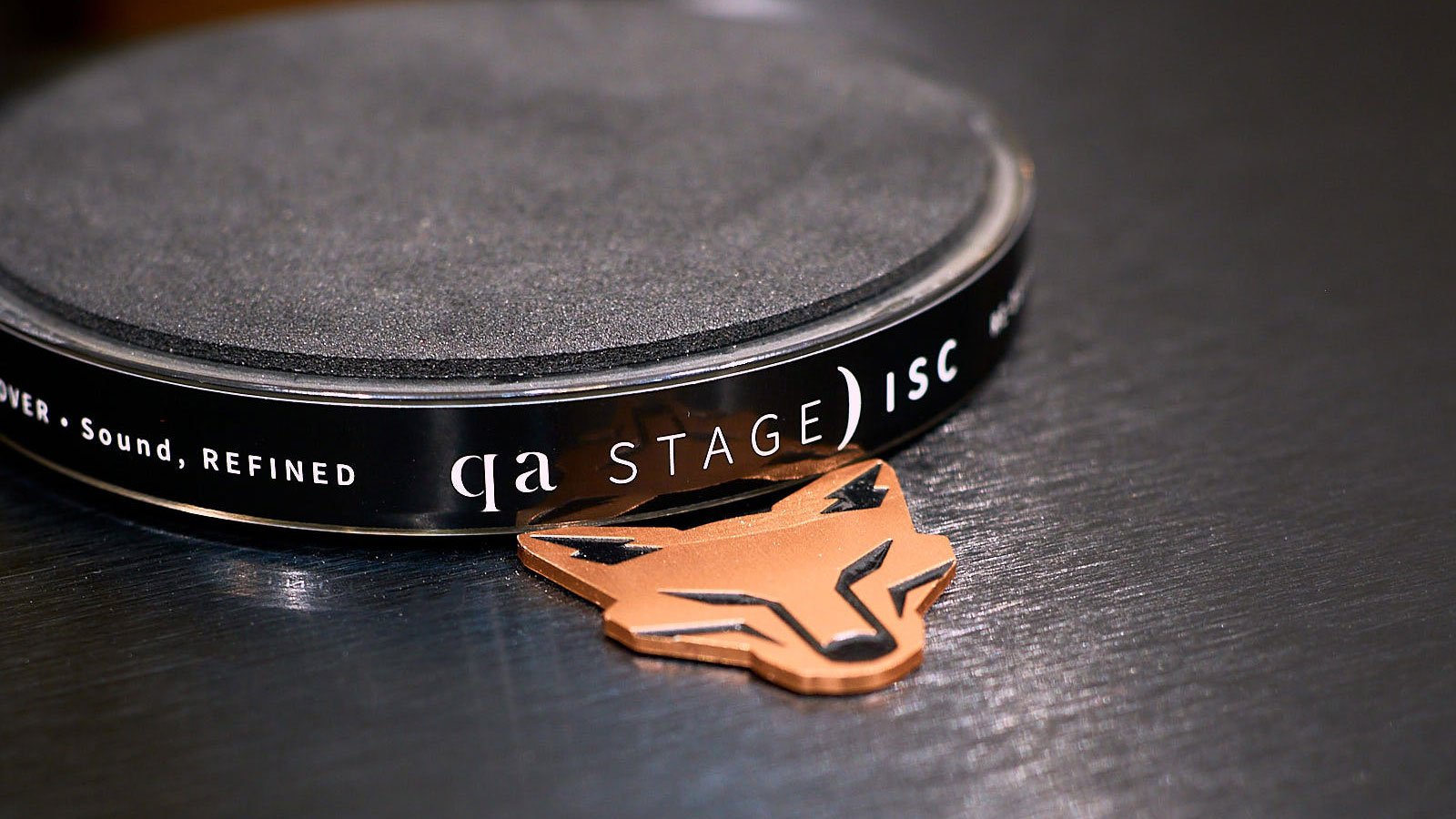
QA StageDisc – Bespoke EMI Absorber in details
Following the success of our ground boxes by being our company continual top sellers, we knew there are still ways to improve the sound of hifi audio in a passive manner like the way grounding boxes can. As hifi audio continues to evolve and improve in fidelity, the digital side of peripherals has been adding in layers within the chain as digital audio and streaming have been taking a larger share of approach in recent years. The micro noises emitted from electronics are being taken care of by our ground boxes. We realised the electro-magnetic interference (EMI) side of it has not. And it has always been a critical issue coming from electrical components.
Like how certain grounding devices tackle the issue of grounding with electrical grounding equipment, that was not in the ideology of QA to do that. Adding more electronics with the intention to remove noise could inadvertently add other sort of unwanted stuff or causing more detrimental effects to the sound. It has to be passive and non-electrical in nature – at least for the way to deal with EMI in our current R&D philosophy of proprietary products.
With the prevalence of electronics and networking products around us, EMI is basically everywhere. Ever wonder why the nature is so relaxing and soothing and that is always the place most of us will strive to go to take a break from all the pressure? Without our phones, computers and various appliances in the mountains and forest, these are the places free from EMI that will give us the calmness we need every now and then.
In hifi audio, simply, EMI clouds the audio signals of our audio chain, affecting the perceived soundstage, depth and clarity. With the PCB itself of any electronic devices, certain components are emitters of EMI, while some other are behaving like antennas giving easy access for the EMI to creep in. There is almost no way we could stop both the emission AND the streaming in of EMI – these electrical components are just the way they are. But what if we could try to minimise the interferences from channelling into the various audio pathways by some means of absorption as soon as they are emitted?

Every part of the equipment has varying degree of EMI. Some DIYers have tried covering the entire chassis of an equipment thinking of it as shield. But that is only just preventing exposure of the equipment to external EMI in the air. Furthermore, internally emitted interferences would not be able to dissipate and may well be reflected back into the devices. To have a large and bulky cover over every one of the equipment also make having access to them less than practical. It could also render the audio system setup not aesthetically pleasing if the shields are made to a level of roughness.
To be honest, it would be naïve from us to think that we could design something to absorb EMI totally. The idea was to design something sleek and non-obtrusive, knowing right from the get-go it has to be placed atop equipment as that will make absorption of the EMI being the closest.
Looks good, sounds better is our mantra that never leaves. The last thing we want is to have a brutalist product every customer would object from putting on their beautiful equipment, fearing of both spoiling their visual fondness and anything too heavy physically weighing on them would spoil them.
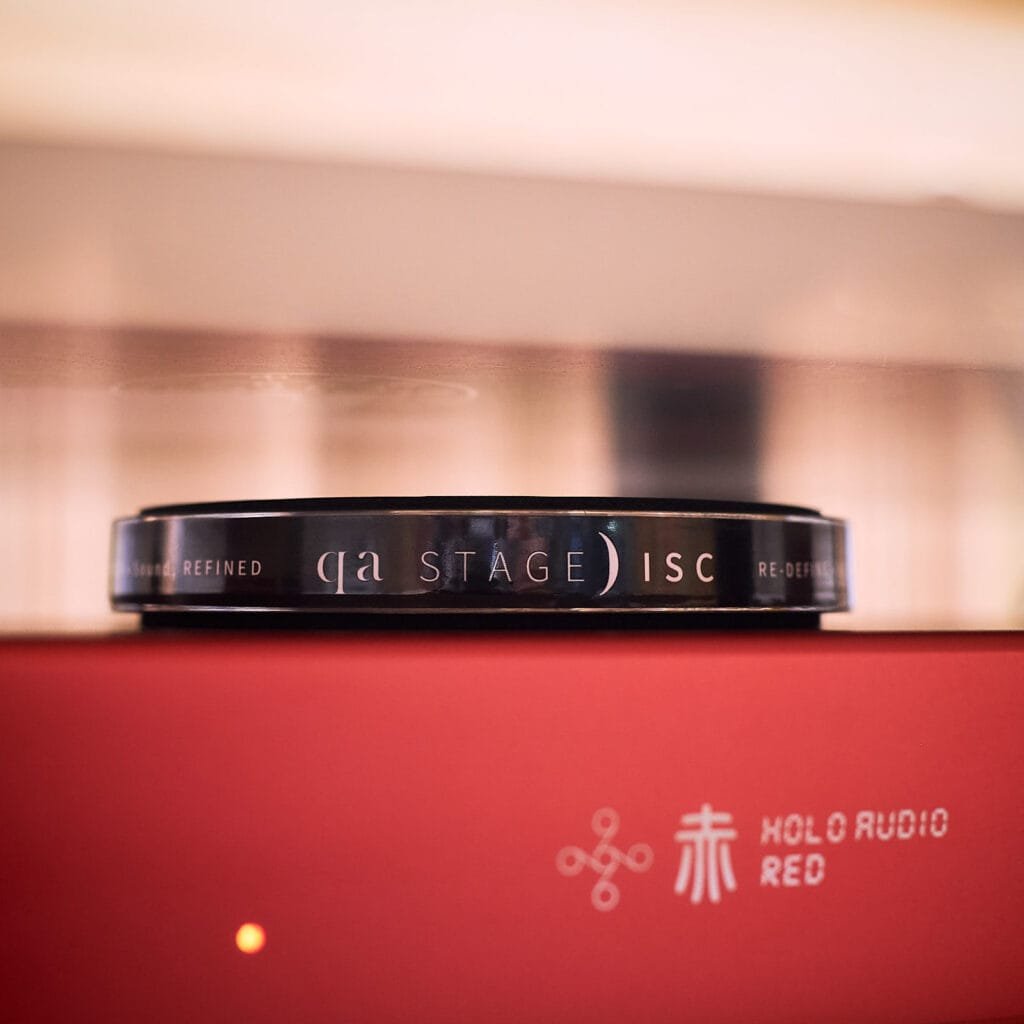
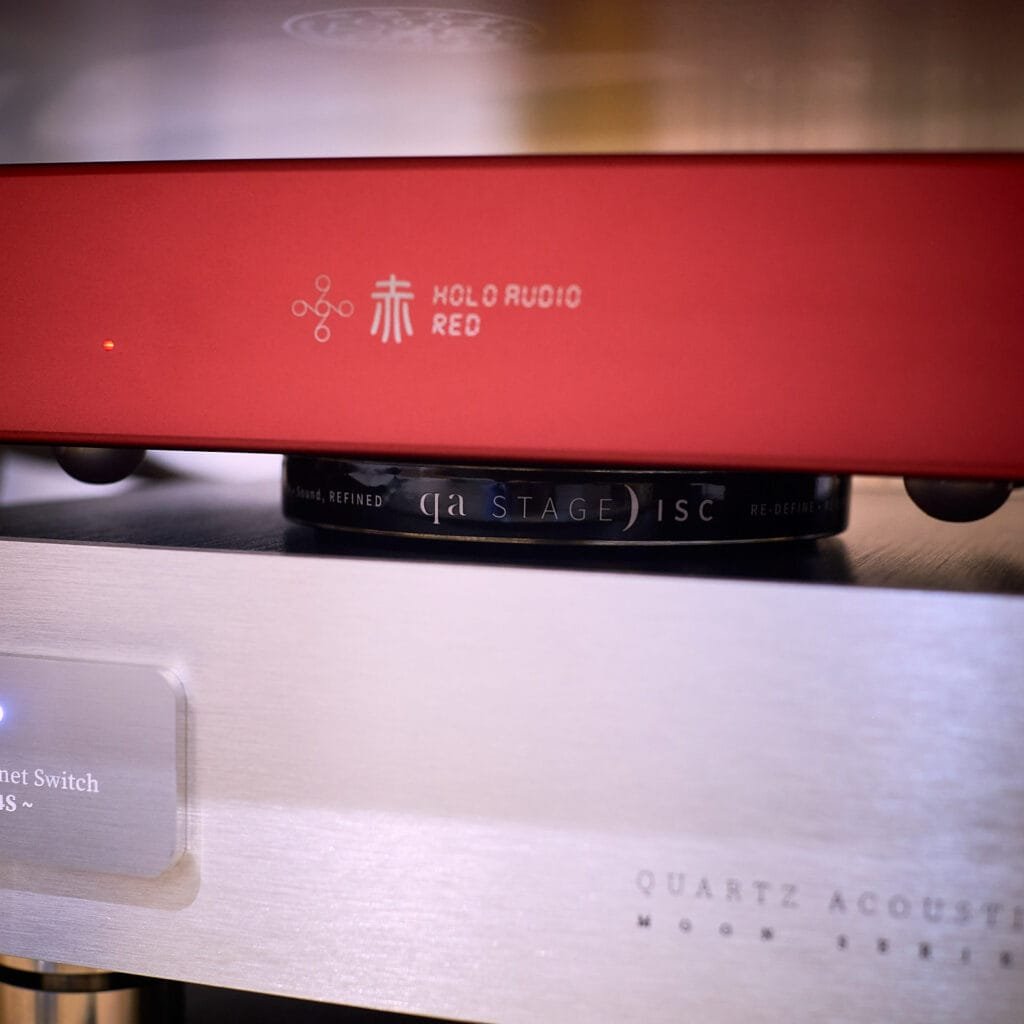
The effect of lifting the haze and expanding the soundstage has to be immediate with just one unit of the design. Even if multiple units have a cumulative effect, it should be up to the customer discretion to add on. But the balance has to be struck in making a unit just big enough to be significantly effective without being impractical/unsightly/impossible to use.
Tapping on how we started with the ground box, the initial stages are nothing but countless prototyping and experimentation, on the different effectiveness of compounds and their variable percentage of amount. Also similar to the ground box, the proprietary mixture of the ingredient could never be divulged. But at the core is a proprietary and uniform blend of submicron to near-nanoscale particles (≤1μm). All materials are laboratory-grade, screened for optimal crystallinity and surface area-to-volume ratio. This ensures maximum interfacial contact within the mix, resulting in consistent absorption performance.
Taking over a period of 6 months to perfect the right mix, we worked our way up from the different sizes of the unit it needs to be before stopping at a good palm-sized disc that is suitable for placement almost on all sizes of equipment, and thin enough to be slid under equipment if need be. And there, the disc was born.
After getting the approximate mix and sizing right, it was then testing them on various equipment to hear the effects. Immediately from the start, the DAC has to be the first equipment to have benefitted from EMI absorption. The placement of the disc instantly proven it – sound depth was expanded to create more pronounced multiple layerings of instruments. Soundstage was then easily perceived to have widened. These two main enlargements of acoustic spaces elevated details to be heard with more clarity, easily. Combining the single most enhanced positive effect of sound with the physical build, that was how StageDisc was named.
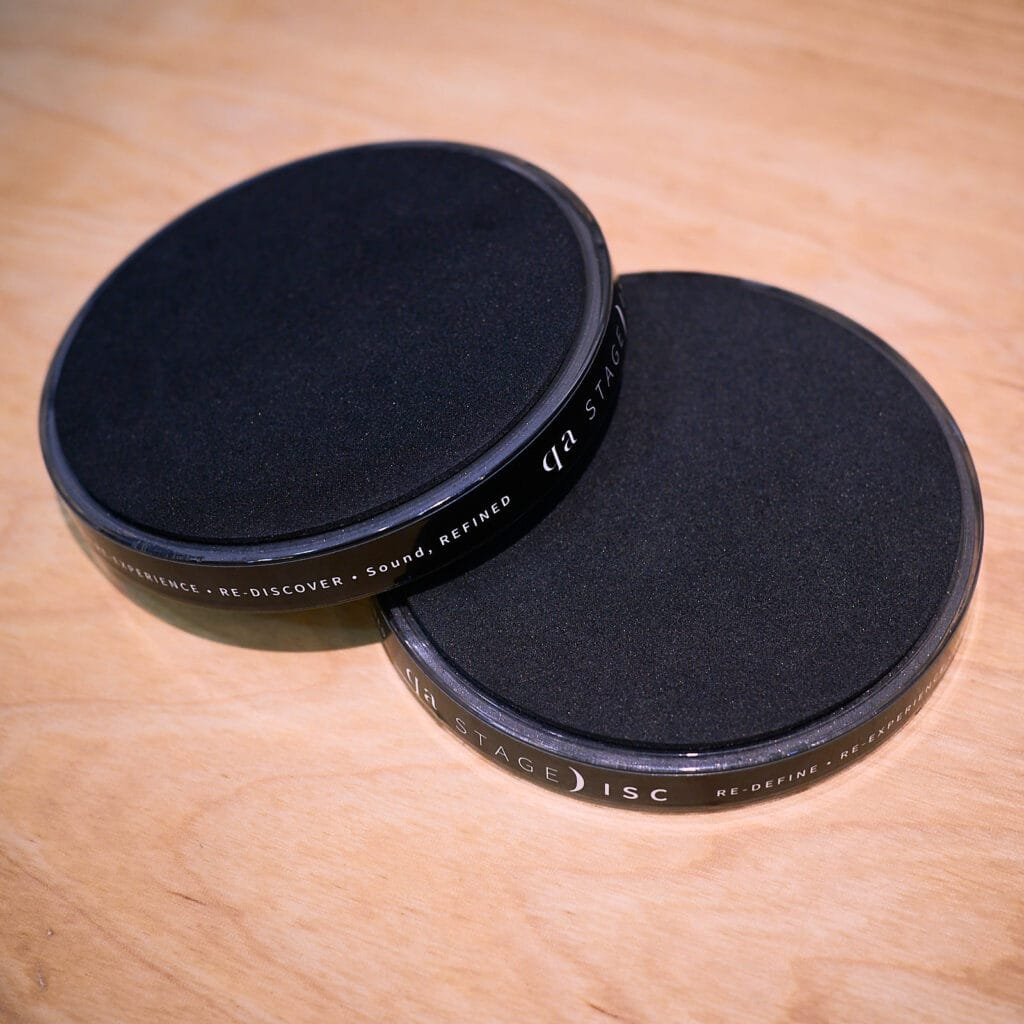
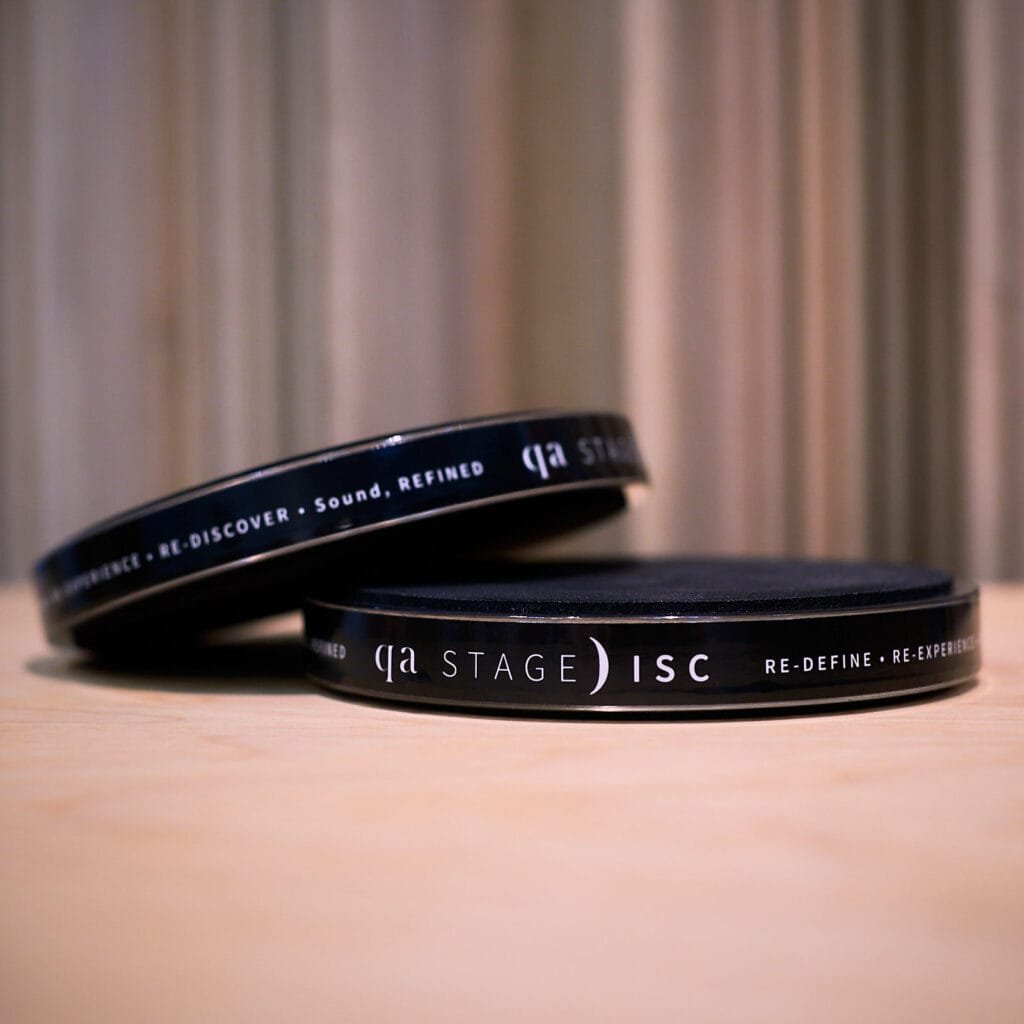
With the few prototypes, we proceeded to place them around on/near all other equipment in the audio chain – streamers, network converters, routers, DDC, pre amps, amps, speakers, power conditioner, mains sockets etc. Except the speakers, at least for our full range pairs, all others exhibited significant improvement in expanding the soundstage width and depth, with DDC and streamers exceptionally improving in even the height of the sound. Placing StageDisc(s) on or around the power conditioners and the region where various plugs were plugged in gave the bottom end of the sound an even better energy with cleaner lower mids and tighter bass. These results were not that surprising as the digital ones are most susceptible to EMI emission, so that’s where the StageDiscs’ effects will be most prominent.
Upon confirming the effectiveness on the various equipment, we went back to the stuffing on the compound mix to further fine-tune the weightage. Different proportions of any particular ingredient affect the result by some margins. So it was not until another dozen rounds of getting the right percentage before we nailed it down as the star mix. The rest of the production work would then be the packaging and paying attention to details in getting the right thickness of the foam on both sides of the disc to make sure it does not scratch any surfaces while maintaining close proximity to the equipment below or above it.
Further testing on the equipment was getting more apparent in the effect StageDiscs can bring. Interestingly, even placement on different regions of a larger equipment could potentially yield varying effect. For example, on a large chassis unit like the Holo Audio Bliss pre amp/headphone amp, placing near the I/Os, the power inlet, the region where the transformer is and region where the analog stage is, all have their differences. Does that mean one unit potentially would need 4x StageDiscs? Perhaps. Would that be necessary? 50/50. Unless one really like the effect of having 4x StageDiscs at one go, we cannot really stop that. But 2x StageDiscs could well be the optimal number in most cases if one is not enough. We use 2x StageDiscs on the power conditioner as the cumulative effect was definitely worth the additional one.
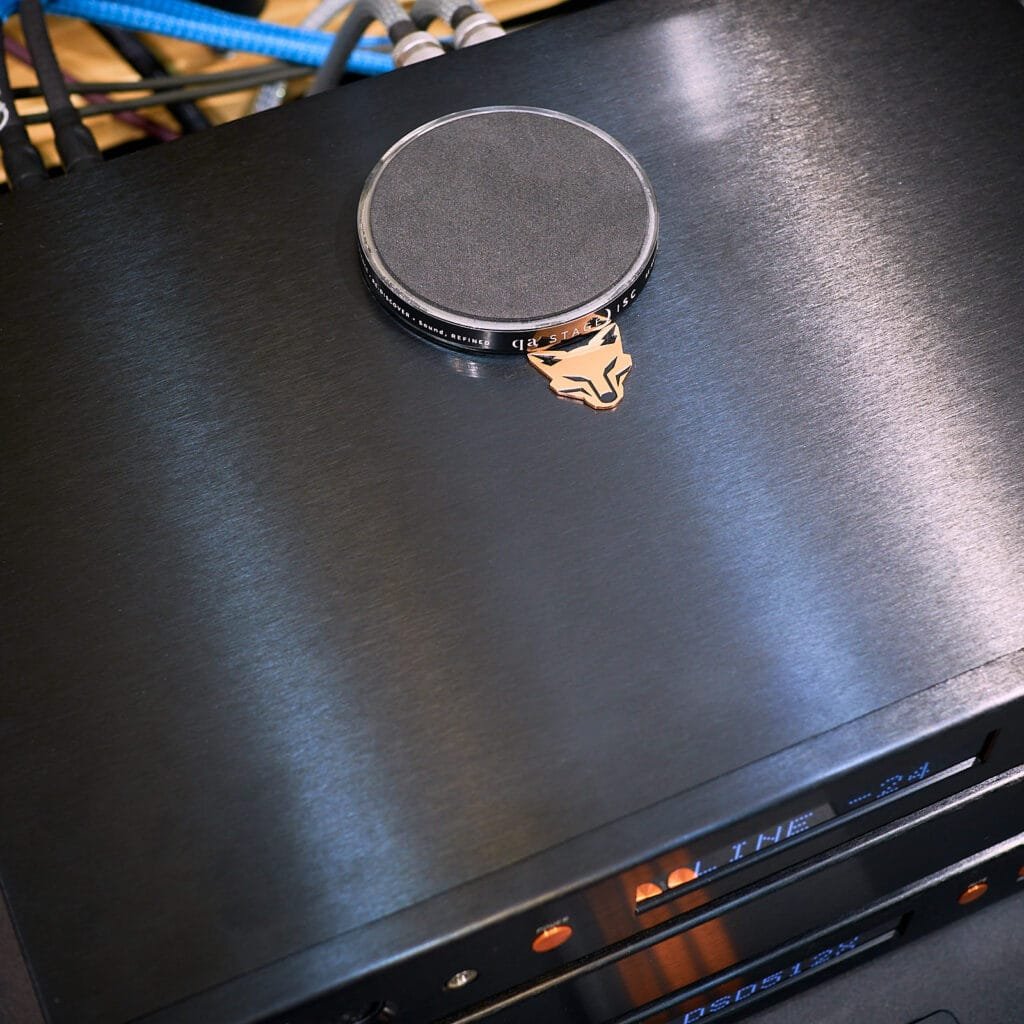
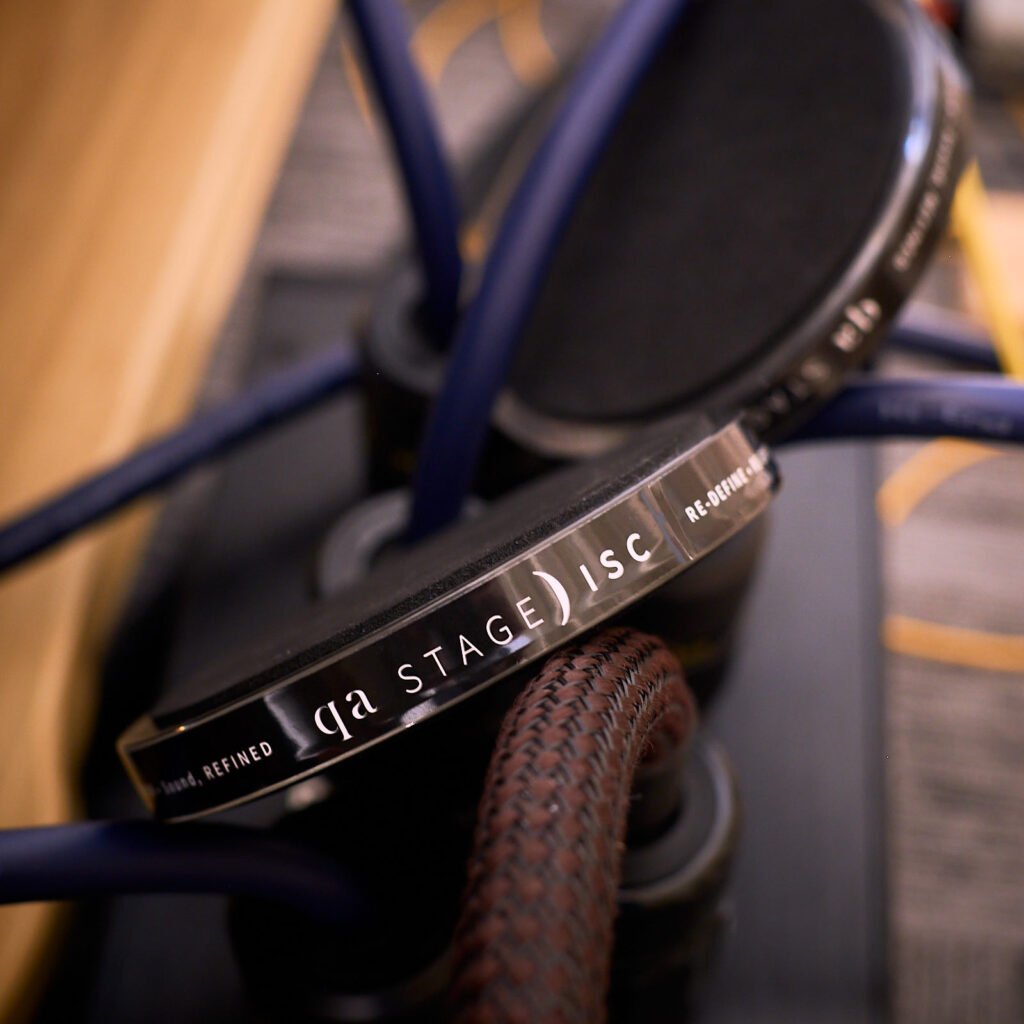
So fast forward to months after launch and QA StageDiscs have garnered positive reviews from customers who have used them and turned to believers of using them. The Audio Standard UK forum (TAS) even has a dedicated thread, while still young, on discussing the StageDiscs: https://theaudiostandard.net/thread/8066/quartz-acoustics-stagedisk. QA is tremendously grateful for the people there who have over the years given their trust and support to, firstly, our QA Premium Audio Grounding Box, and now the QA StageDiscs. Thank you guys. Really much appreciated.
Very importantly, StageDiscs were not meant to produce and replace the grounding boxes. They are complementary products working excellently hand in hand in a passive manner to realise even greater potentials of what hifi audio equipment can bring by eliminating/lowering noise and interferences to the minimal.
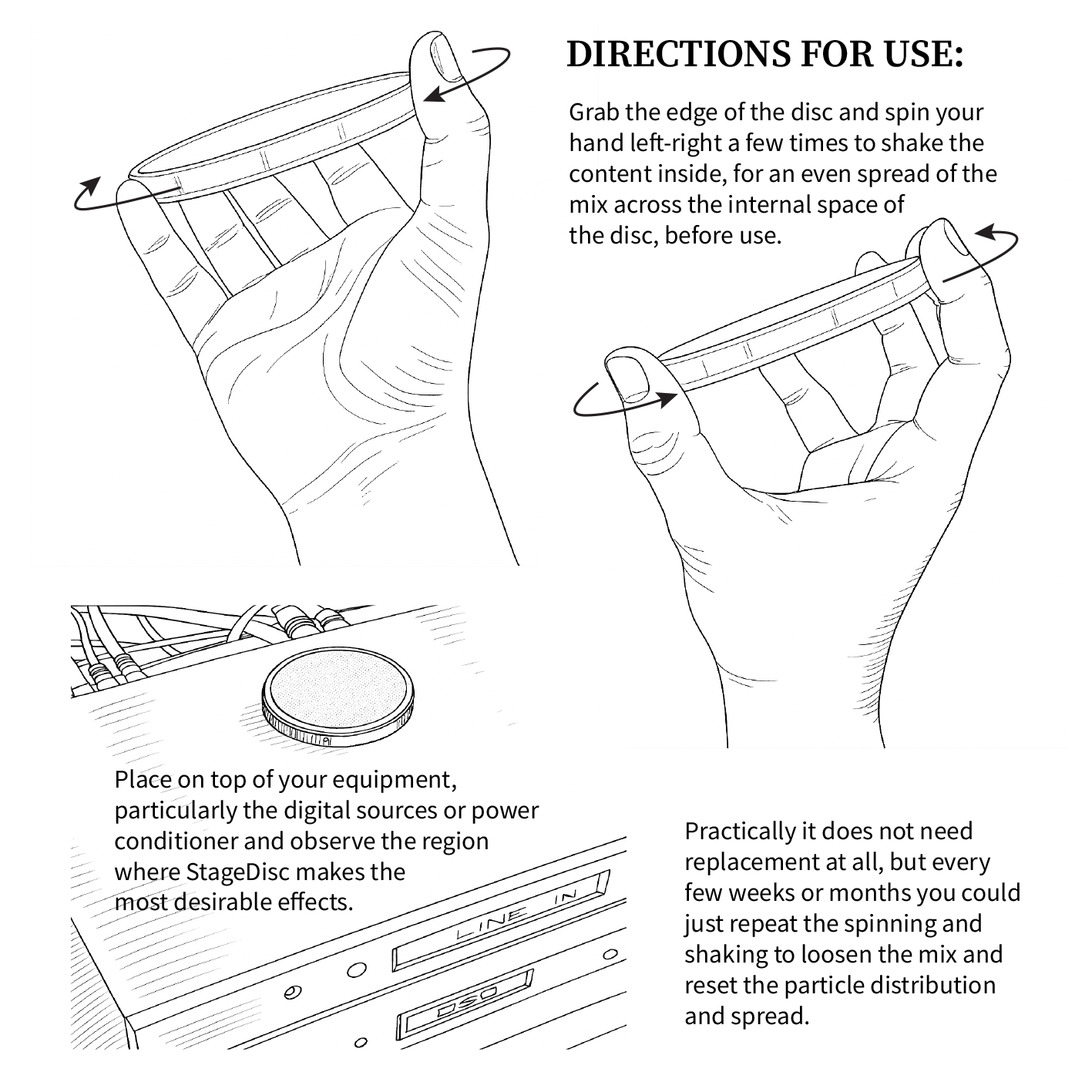
So, on receiving the StageDiscs, just grab it and spin a little of it to reset the mix abit from all the travelling across shipments and place them on some of the various digital audio equipment and let the magic happens.